Those who join us on this path of Self-realization are not connected to some printing press, but to a line of God-realized masters. God Himself, through them, overshadows this work. All who follow it sincerely, with devotion, will be brought to Him. —Paramhansa Yogananda
Ananda was founded in 1969 by Swami Kriyananda, a direct disciple of Paramhansa Yogananda. Paramhansa Yogananda was the last in a line of Self-realized gurus starting with Jesus Christ. Before his passing, Swami Kriyananda named Nayaswami Jyotish as his spiritual successor. Jyotish and his wife, Nayaswami Devi, serve as Ananda’s Spiritual Directors, and travel frequently, giving classes and sharing Yogananda’s life-transforming teachings with spiritual seekers throughout the world.
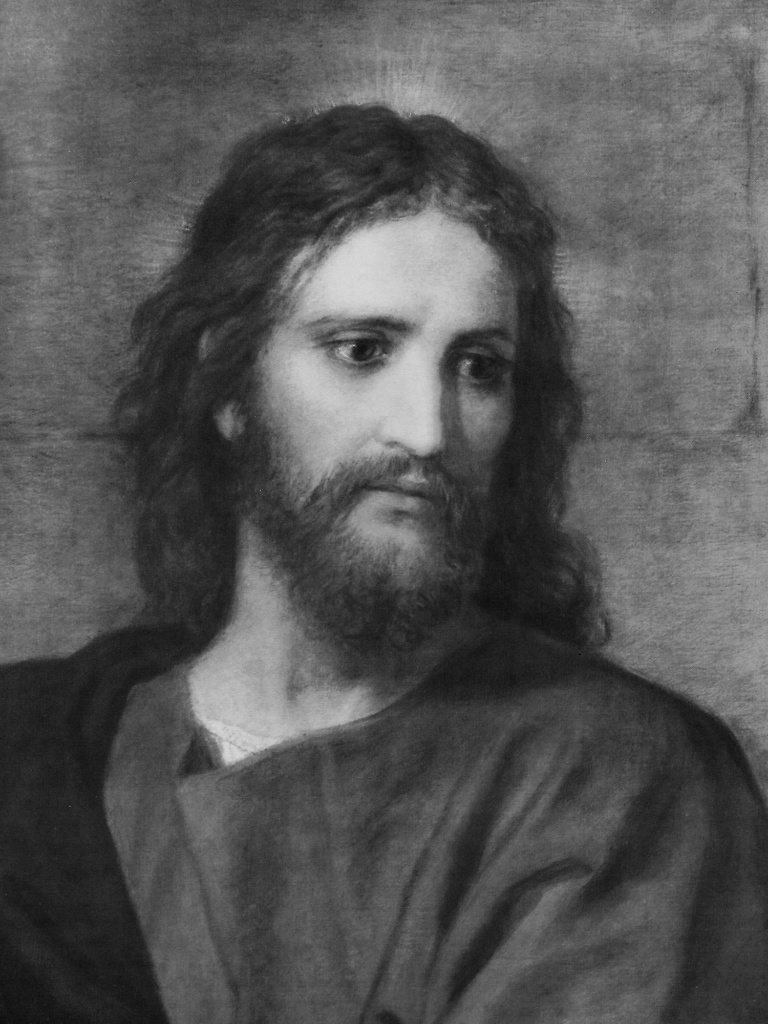
Jesus Christ
Jesus is at the center of our altar because, as Yogananda said, he appeared to the yoga master Babaji and asked him to send someone to the West to spread the teachings of original Christianity. Jesus told Babaji that his followers needed to learn how to receive him through deep meditation, as beautifully described in the verse, “As many as received him, to them gave the power to become the sons of God” (John 1:12). He said that although his followers still do good works, they have lost the ability to commune inwardly with God. Because of Jesus’ request, Paramhansa Yogananda came to the West. Thus, Jesus Christ is honored with a place on our altars and in our daily prayers. Read more.
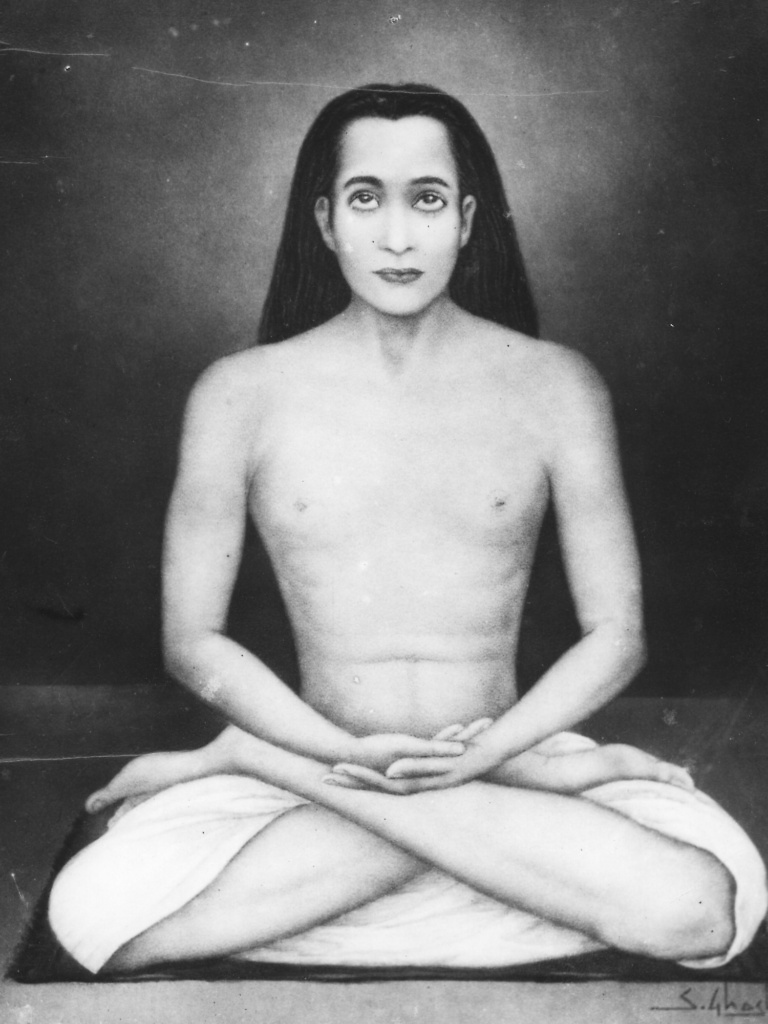
Babaji-Krishna
Mahavatar Babaji is the guru of Lahiri Mahasaya and the one who reintroduced the ancient science of Kriya Yoga, which was lost during the Dark Ages. Paramhansa Yogananda’s Autobiography of a Yogi introduced the world to this mysterious master (he called him “Babaji-Krishna”) saying that Babaji had beem Krishna in a former incarnation. Still alive and residing in the Himalayas for centuries or even thousands of years, Babaji has been a guide for great spiritual teachers to carry out their special dispensations. For this reason, he is called a mahavatar, a great incarnation of God. Read more.
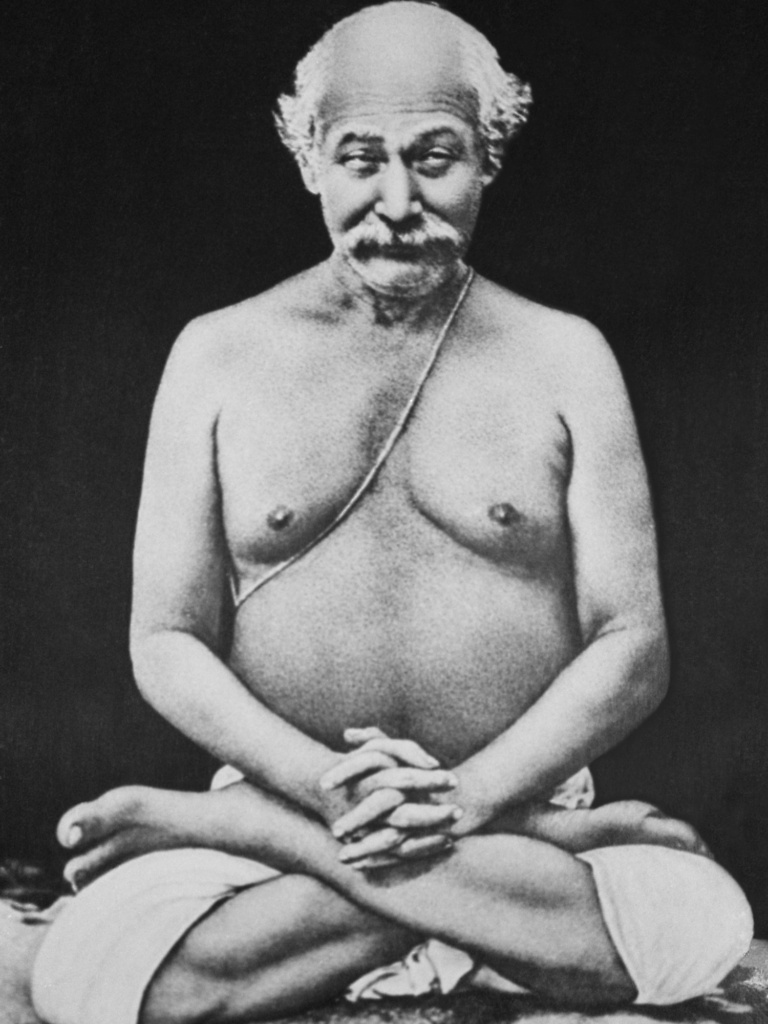
Lahiri Mahasaya
Lahiri Mahasaya is a disciple of Mahavatar Babaji and is known for making Kriya Yoga widely available. He met Babaji in 1861 when he was 33, and received the technique of Kriya Yoga from him. He wished to leave everything and remain with Babaji in the Himalayas, but Babaji explained that a deep meaning underlay his having come to him only after having married had children.His mission, Babaji told him, was to be a householder yogi, toset an ideal example of balanced living, attending to both his worldly and his spiritual duties. Lahiri had many disciples, including Swami Sri Yukteswar and the parents of Paramhansa Yogananda. Read more.
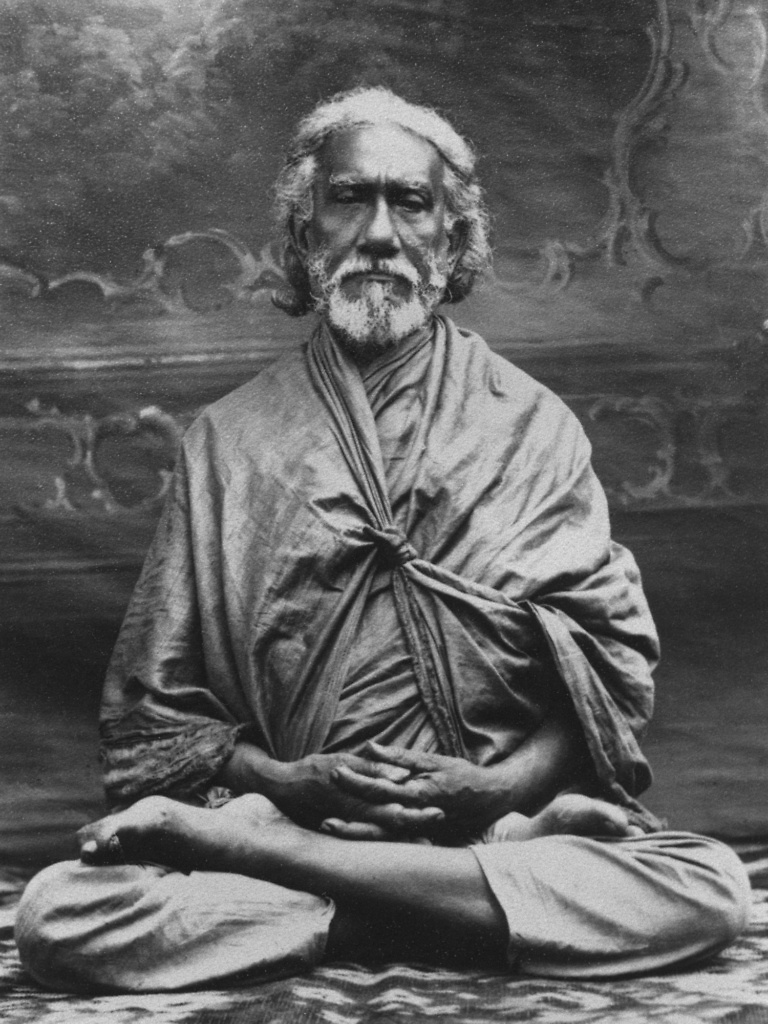
Sri Yukteswar
Swami Sri Yukteswar is a disciple of Lahiri Mahasaya. He met Babaji in 1894, who gave him two commissions. One was to write “a short book on the underlying unity between the Christian and Hindu scriptures, to show that the inspired sons of God have spoken the same truths.” This book is The Holy Science. The second was to train Yogananda for his mission to the West. He did not have many disciples, as he was known for his strictness. He had two ashrams, one in Serampore and one in Puri. Read more.
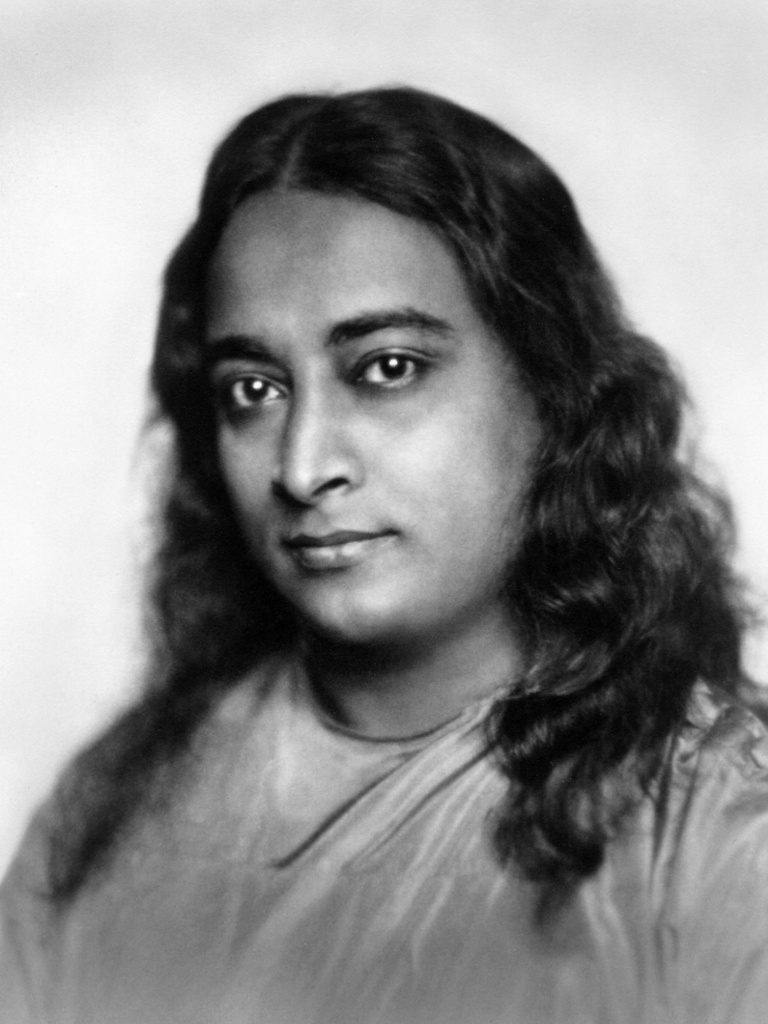
Paramhansa Yogananda
Yogananda was the first great master of yoga to make his home in the West, coming to the U.S. from India in 1920 and living here until his passing. He lectured to hundreds of thousands throughout the country. His Autobiography of a Yogi, first published in 1946, has become one of the most widely read spiritual books of the last century, and a classic of religious literature. He was devoted to helping unite East and West by bringing the original teachings of yoga to the West, and showing their underlying unity with the original teachings of Christ. He advocated the founding of what he called “world brotherhood colonies” where people could live together in spiritually supportive communities.
Ananda is based on the teachings of Paramhansa Yogananda and his line of gurus. Read more.
Ananda's Founder
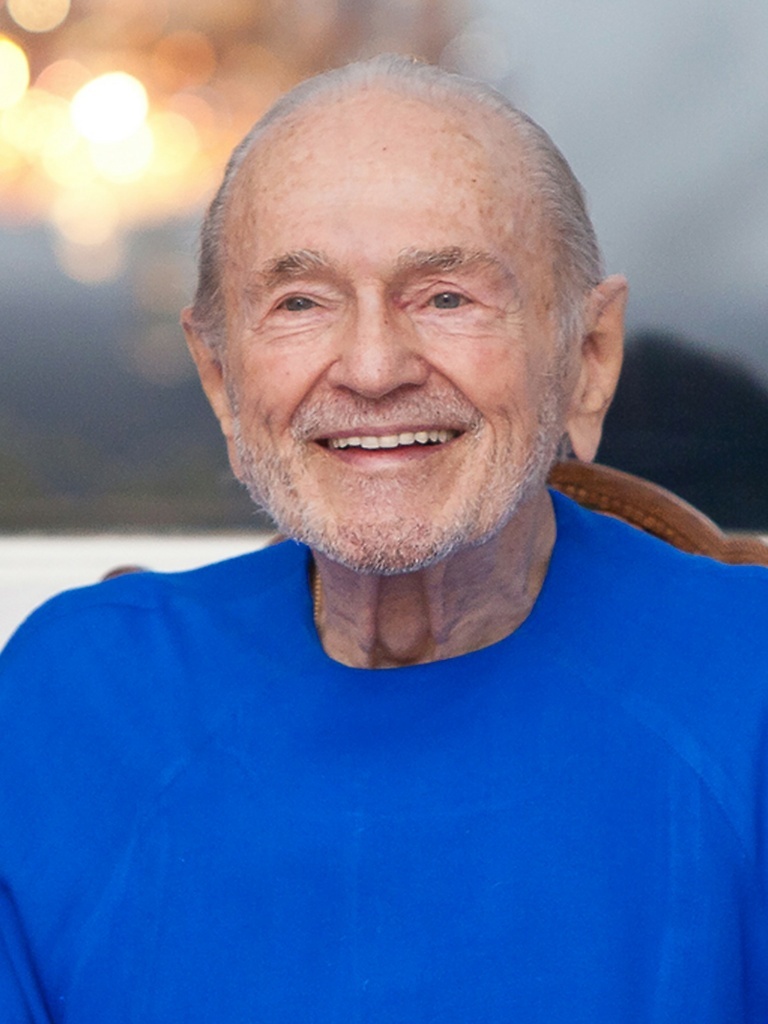
Swami Kriyananda
Swami Kriyananda (J. Donald Walters) is the founder of Ananda. In 1948, at the age of 22, he became a disciple of Paramhansa Yogananda. He bought property in Northern California in the late 1960s and started Ananda Village. Now there are 8 communities, and many more centers and meditation groups. Swami Kriyananda is also the author of 150 books and over 400 pieces of music. Read More
Spiritual Directors
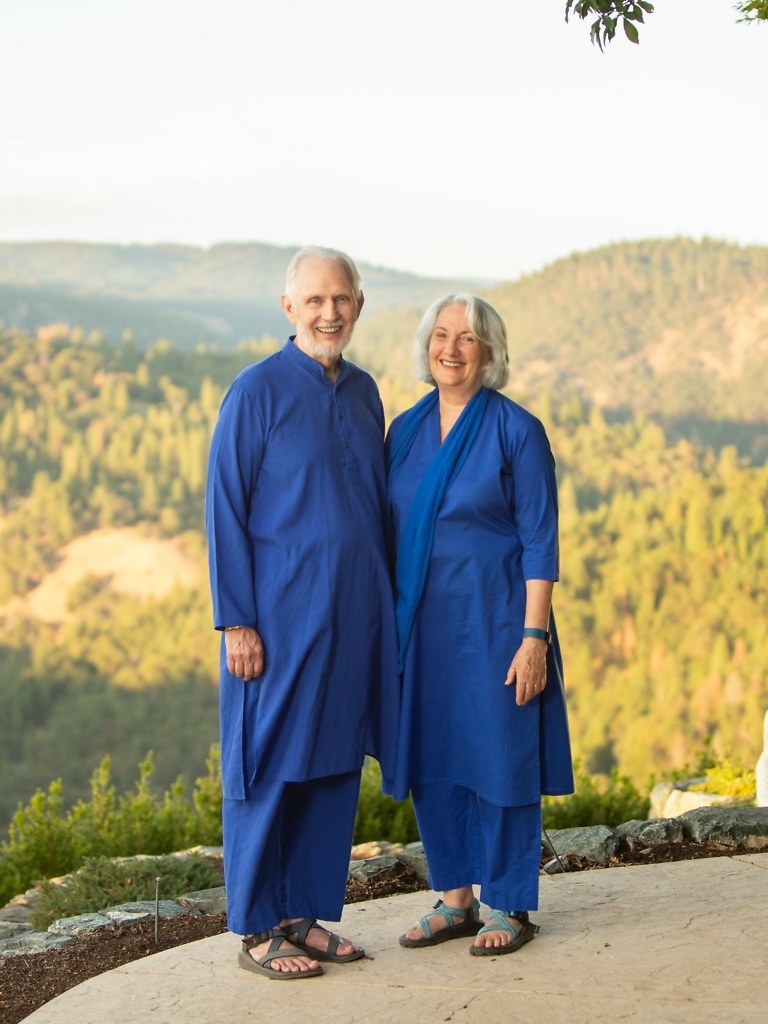
Nayaswami Jyotish and Nayaswami Devi
Swami Kriyananda named Jyotish as his spiritual successor. Nayaswami Jyotish and Nayaswami Devi have served for many years as the Spiritual Directors of Ananda Sangha Worldwide Jyotish met Swami Kriyananda in 1966, and Devi in 1969. Jyotish and Deviworked closely with Kriyanandato build Ananda’s work around the world. They travel throughout the United States, India, and Europe speaking on the practice of Kriya Yoga meditation and spiritualizing daily life. They have separately and together written and edited several books.Read More
Ananda's Logo: Joy Is Within You
The Ananda Joy Symbol represents each person’s journey toward ever-increasing happiness, wisdom, and joy. The mountain peak represents our soul’s aspiration to embrace ever-wider vistas of awareness, by extending our friendship, kindness, and compassion to others. The lines of the mountain’s sides are soft, reflecting a joyous, natural, gradual step-by-step ascent. The lines continue upward in the flight of a bird, as it soars lightly upward, gathering wisdom and joy. Finally, the bird descends toward earth again, eager to share its new-found treasures with all.
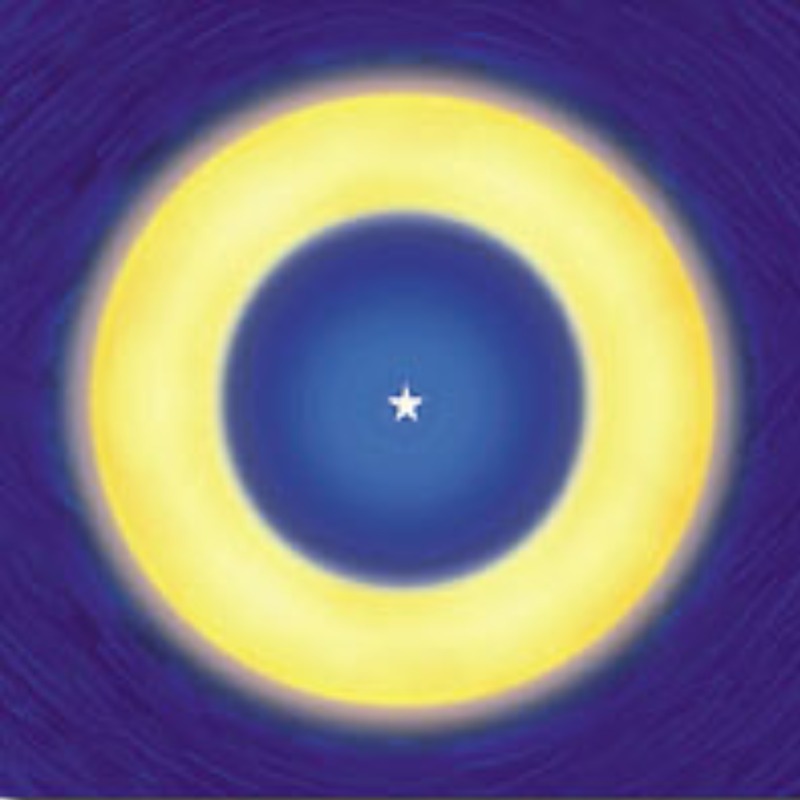
The Spiritual Eye
Called the “third eye” or “the sixth chakra,” the spiritual eye is located between the eyebrows, or in reality, just behind that point inside the brain. When we focus on this point in meditation it helps us to raise our consciousness and feel more uplifted. The spiritual eye is not a physical object located in the body, but a light that is actually visible there. The five-pointed star at the center of the spiritual eye is the doorway through which our minds can penetrate into the inner kingdom. The five points correspond, interestingly, to the shape of the human body. Stand with your arms stretched out to the side, and your legs wide apart. That shape, with your head at the top: Do you see its general resemblance to a five-pointed star?